
Never spray pesticides onto food or food-contact surfaces unless the labeled directions explicitly allow such application. Keep baits and cleaning products away from children and pets and follow applicable product instructions.
Ants may enter kitchens because they find a food source, water or an accessible trail. Different species have different nesting and bait behavior, and a few visiting workers may not imply a structural infestation. Record where the ants enter and travel before applying a pesticide that may disrupt trails without addressing a colony.
Start with observation and sanitation rather than assuming every trail calls for spraying. If the activity keeps returning, identification can help a pest professional choose a suitable approach.
Focus on causes before chemical treatment
Check ant trails, food access and entry points before choosing a control method.
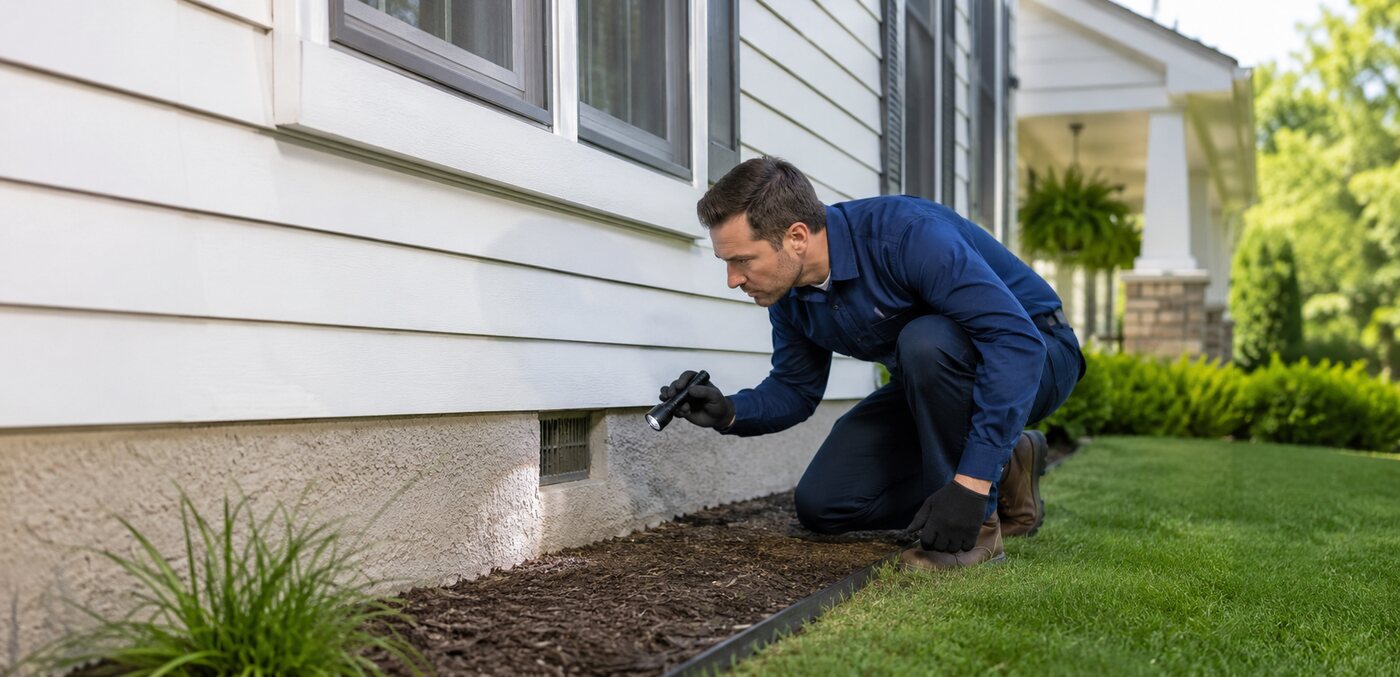
- Entry trail and timing: Watch from a safe distance where workers enter, whether activity follows a window or pipe gap, and whether it varies with rain or temperature. Avoid assuming the nest is directly behind the visible trail.
- Food and pet dishes: Remove crumbs, uncovered sweet foods and accessible pet food. Clean sticky spills and store susceptible pantry items properly.
- Moisture sources: Some ant activity increases around leaks or wet countertops. Fixing a drip can reduce a resource without proving ants caused the water problem.
- Different species: Carpenter ants, pavement ants and other species can require different strategies. Photograph specimens and seek extension or professional identification when necessary.
- Bait and monitoring: UC IPM notes that bait preference and effectiveness can vary. Follow labels and avoid spraying blindly over a bait strategy recommended by a qualified professional.
- Entry prevention: Appropriate gap sealing, sanitation and exterior management may reduce access. Avoid sealing an important drainage/vent opening without understanding its purpose.
What a pest professional should explain
Ask what species is suspected, what evidence supports it, whether any structural wood concern is present, what nonchemical prevention is recommended, the proposed product and label, precautions for occupants, and how success will be monitored. Treat only the real problem rather than paying for an unrelated whole-property campaign.
Questions about kitchen ants
Do ants always mean my kitchen is dirty?
No. Ants can enter clean homes while searching for food or water. Sanitation is a preventive measure, not an explanation for every entry.
Will spraying a trail kill the colony?
Not necessarily. Trails may return if the nesting source and attractants are not addressed.
Do all ants damage structural wood?
No. Species differ; if you suspect carpenter ants or wood damage, seek identification and appropriate inspection.
Are ant baits safe anywhere in a kitchen?
No. Follow label placement instructions and keep products away from food, children and animals.
When should I call a professional?
Repeated or extensive activity, uncertain species, suspected wood issues or unsafe treatment conditions may justify qualified help.
Ant identification and IPM references
Check the cited sources and applicable local safety requirements before acting.
Published November 22, 2026; text updated November 23, 2026.
If the insects are not ants
If kitchen pests remain unidentified, compare the signs of cockroach activity.