
Start with the question you need answered.
This is the guide library—not another version of the emergency page or service cards. Choose the information that matches the decision in front of you.
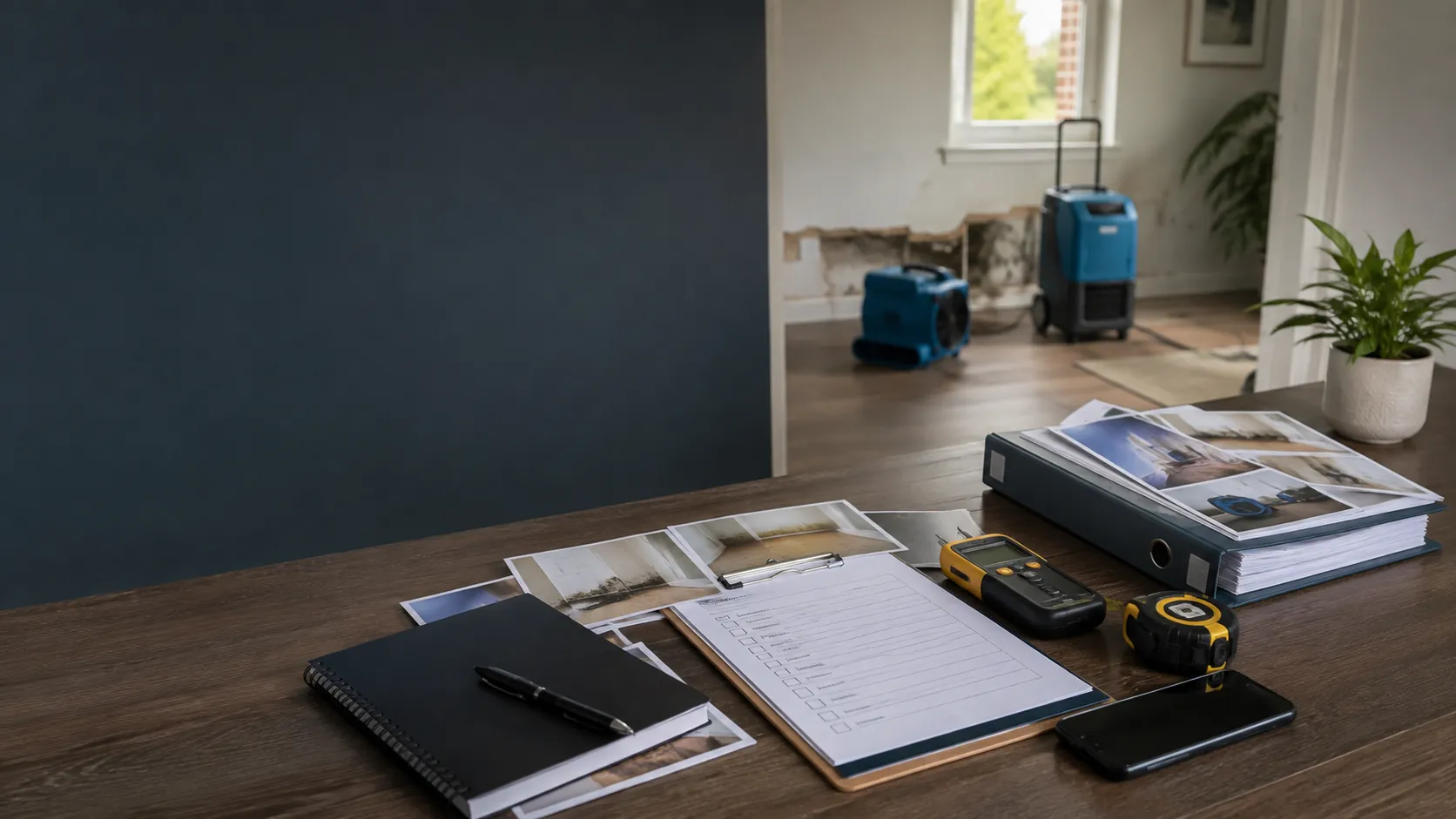
What happened, and what should I do first?
Use these when the damage is recent or the situation is still being stabilized.
Water damage first-step checklist
Safety, source control, documentation, standing water and initial drying decisions.
Read guide →DryingWater extraction and structural drying
Understand what happens after visible water is removed and why hidden moisture matters.
Read guide →MoldMold after water damage
Understand moisture-related mold, concealed dampness and affected materials.
Read guide →Need guidance for a particular water-loss situation? See flood cleanup, basement flooding, sewage backup safety, or storm water damage. Do not enter an unsafe area.
What can change the scope, price or timeline?
Use these before comparing recommendations or authorizing work.
What changes restoration cost?
Water source, affected materials, drying time, contamination and reconstruction.
Read guide →TimelineHow long can restoration take?
Separate extraction, drying, material removal and rebuilding into realistic stages.
Read guide →Wet materialsDoes wet drywall need replacement?
What makes drying in place more or less reasonable.
Read guide →What happened to my ceiling, floor or belongings?
Choose the exact damaged material or part of your home—rather than scrolling through another general cleanup checklist.
Water dripping or sagging overhead?
Recognize structural and electrical danger, consider roof versus plumbing sources, and document before repair.
Read ceiling guidance → Wet floorsCan wet carpet or flooring be dried?
Understand backing, carpet padding, hardwood, laminate, subfloor moisture and contractor measurements.
Read flooring guidance → Personal belongingsWhich wet household items might be saved?
Material-by-material questions for furniture, photos, books, electronics and insurance records.
See the salvage matrix →Insurance, provider comparison and call preparation
Use these when you are organizing the decision rather than dealing with the first emergency steps.
Water damage insurance basics
Documentation, cause of loss and useful questions for your insurer.
Read guide →HiringHow to compare restoration companies
Drying plans, written scopes, pricing, documentation and red flags.
Read guide →Call preparationPrepare for a restoration service call
Gather the facts, photos and questions that make the first conversation more useful.
Read guide →How do I investigate mold or hidden dampness?
Choose a focused problem: inspection, unexplained odor, or air-moisture control. These pages explain what evidence and professional assessment can—and cannot—tell you.
Inspection or air testing: which is useful?
When sampling can be unnecessary, what a report should include, and how to compare scope without invented prices.
Read testing guide → Hidden dampnessMusty smell but no visible mold?
Room-by-room investigation of possible moisture sources, with hazards and evidence to record.
Read odor guide → Drying equipmentCan a dehumidifier dry the problem?
Understand room-air humidity, safe equipment use, and why wet floors or walls need separate checks.
Read dehumidifier guide →What about a frozen pipe, toilet overflow, or bedroom pests?
Other common homeowner incidents that require distinct safety and identification steps rather than another generic restoration checklist.
Frozen water pipe: what is safe?
Signs of freezing, shutoff decisions, no-flame warnings and what happens if the pipe leaks.
Read frozen-pipe guide → Drain backupClogged toilet overflowing?
When to stop flushing, distinguish isolated clogs from shared sewer problems and document contamination.
Read toilet overflow guide → Pest identificationPossible bed bugs: what counts as evidence?
Physical signs, why bites alone aren't proof, and what to ask before purchasing treatment.
Read bed bug guide →Prevent the next home water problem: Use the free recurring home-maintenance checklist for monthly leak checks and seasonal preparation. Short seasonal reading: monthly leaks, before heavy rain and before freezing weather. Your check dates remain in your browser.
Find the specific household problem
Four compact collections hold the newest original guides. Each has separate evidence questions and source references, without crowding this main page with every single article.
Testing, cleanup, bathroom mold and air filters
Distinguish source repair, sampling, material cleanup, professional scope and indoor air.
Browse mold & air guides → Home plumbingLeaks, drains, water heaters and backups
Find safety and professional-scope questions about appliances, pipes and wastewater.
Browse plumbing guides → Pest evidenceIdentify signs before choosing pest treatment
Insect lookalikes, kitchens, ant trails, cockroach activity and small flies.
Browse pest guides → Water damage planningBasement prevention and renters claim records
Keep future water intrusion and personal property decisions distinct from emergency drying.
Browse prevention guides →Printable contractor forms and practical Q&A
Two blank worksheets for organizing written estimates and stage-by-stage drying updates.
Estimate water cleanup costs by state
Use affected area and possible water source to compare a transparent national benchmark with a state services-price adjustment. Not a local contractor quote.
Water damage cleanup cost estimator
Plan initial extraction and drying, learn what is excluded and review the calculation method.
Open calculator →Action checklistWhat to do after water damage
Get a personalized safety-first checklist before cleanup decisions.
Open action planner →Tool libraryBrowse free homeowner tools
Find the estimator, printable worksheets and related timeline guidance in one place.
Explore tools →Ready to make a decision?
Go to the service options and choose the category that actually matches the problem in your home.