
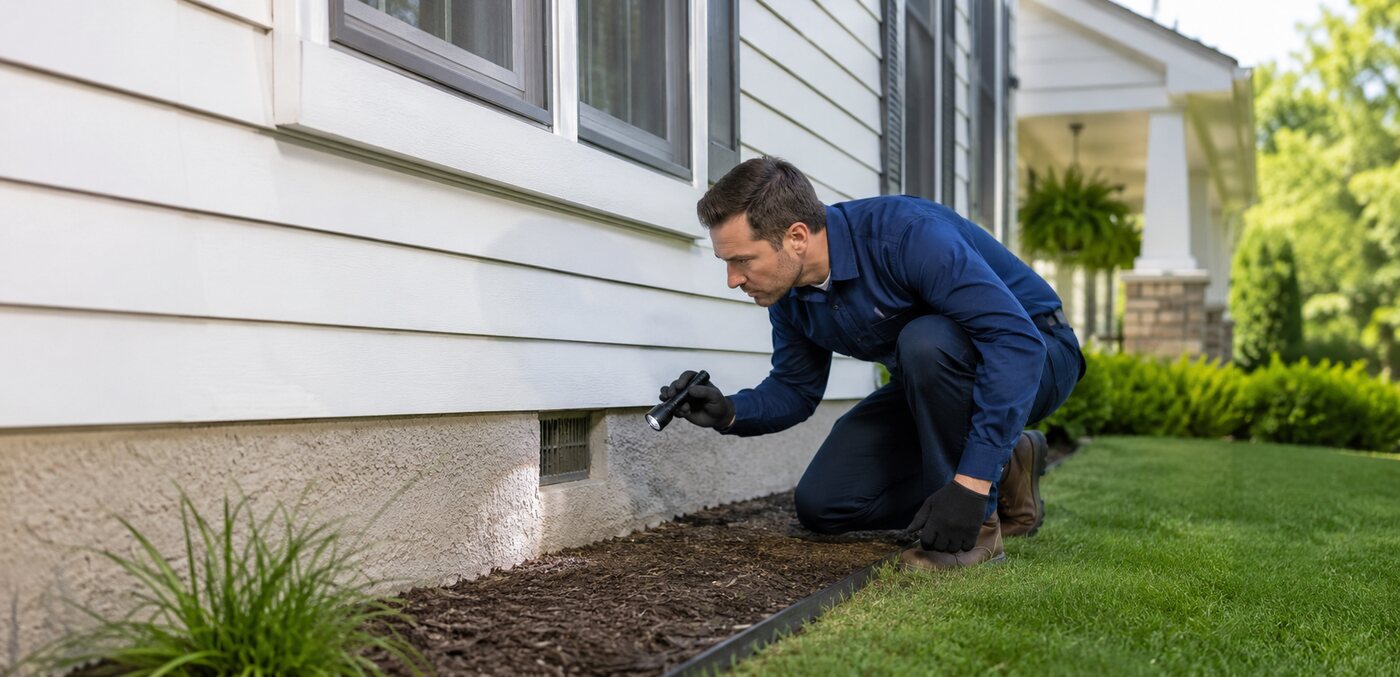
A bite, itch or red spot cannot identify the insect that caused it. The U.S. EPA says bites are a poor indicator of a bed bug infestation. A better approach is to inspect for physical evidence such as insects, shed skins, eggs and characteristic spots around sleeping and resting areas, while considering that other insects or causes may look similar.
Use EPA's How to Find Bed Bugs and appearance and life-cycle guide to compare observations. If you're uncertain, ask a qualified pest professional or extension expert for identification before paying for a broad treatment.
Misapplied pesticides can create exposure, fire or explosion risks. Follow all product labels and use experienced pest management providers when appropriate. Skin reactions needing medical evaluation should go to a healthcare professional, not be diagnosed from a mattress photo.
Check the actual places where signs can collect
Look carefully, when safe, near mattress seams, bedding edges, bed-frame joints, headboards, upholstered seating and nearby cracks. Small insects, shed skins or eggs can be hard to see, especially early in an infestation. Dark marks and fabric stains can have multiple causes; a clear specimen or professionally identified sample is more informative.
Keep a dated note of the room, the precise location of evidence and any relevant travel or furniture changes. Avoid transporting suspect belongings unnecessarily through the home. EPA's preparing for treatment guide stresses finding and monitoring signs.
Bed bug evidence checklist: separate clues from confirmation
- Live insect or nymph: Capture a clear photograph or specimen when it can be done safely. Ask a knowledgeable expert to identify it; similar insects can be mistaken for bed bugs.
- Molted skins or eggs: Note their exact location, particularly seams and cracks near resting areas. They may help an expert assess the situation.
- Dark or rusty spots: These can be associated with infestations, but stains alone are not conclusive. Photograph them without applying unknown chemicals.
- Bite-like skin marks: Record them as symptoms, not proof of a particular pest. The CDC states a bite reaction alone is not diagnostic.
- Secondhand furniture or luggage: Inspect before introducing potential hiding places into bedrooms; do not assume every used item carries pests.
- After treatment: Ask how monitoring will confirm reduction or continued activity rather than judging solely by whether new marks appeared on a person's skin.
These clues inform an inspection, not a certified pest diagnosis. Bed bugs are not the same as carpet beetles, fleas or other household pests, and treatment plans differ.
Compare a pest-control plan before authorizing treatment
Ask whether the professional has identified the pest, inspected the relevant rooms, documented the extent, explained preparation, discussed licensed pesticide use where applicable and proposed follow-up monitoring. A whole-home plan should not be sold solely on the basis of unexplained skin bumps.
EPA recommends integrated pest management (IPM), combining inspection, monitoring, nonchemical controls and appropriate treatments rather than relying on one spray. See EPA IPM guidance and professional hiring advice. Ask about follow-up visits, furniture handling, chemical application areas and occupant instructions.
RHH's existing residential pest-service guide explains what information to prepare when speaking with independent providers. It does not itself verify a pest species or promise treatment success.
Bed bug identification: frequently asked questions
Do bed bug bites always appear in a straight line?
No pattern of skin marks reliably diagnoses bed bugs. Confirm with physical evidence and expert identification when needed.
Can I identify them from dark dots on a mattress?
Dots can be clues but are not conclusive alone. Check for other signs and consider professional identification.
Do I need to throw away my bed?
Not automatically. Treatment, encasement or disposal decisions depend on condition, the plan and practical constraints. Discuss with a qualified professional before spreading furniture or contamination.
Will one fogger or bug bomb solve the problem?
EPA warns against relying on foggers alone. Integrated inspection, appropriately targeted control and monitoring are more reliable than a single indiscriminate treatment.
Should I tell a landlord about a suspected infestation?
Document the evidence, review applicable housing rules and notify the landlord or property manager as appropriate. Local laws and lease responsibilities vary; don't assume one nationwide process.
EPA bed bug evidence · CDC physical identification · EPA IPM · EPA hiring guidance. Reviewed November 22, 2026. General residential education; no medical diagnosis, insect identification certificate or guaranteed treatment.
Related homeowner questions: carpet beetles versus bed bugs. These pages cover distinct evidence, safety or provider-scope decisions.
Need to compare pest-service questions?
Use RHH's existing guide for preparing to speak with an independent pest provider.