
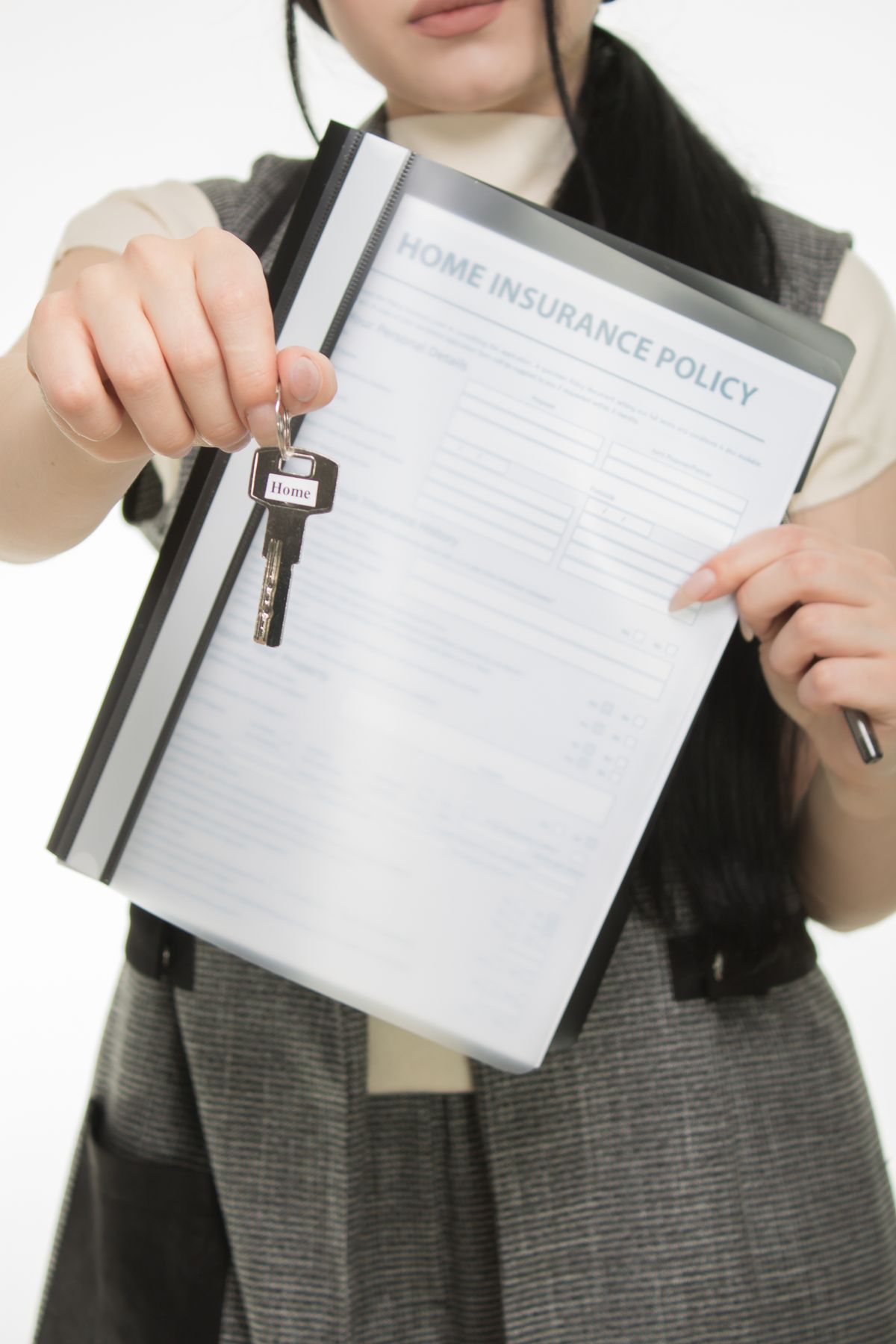
Your insurer, policy documents or a licensed insurance professional can explain your actual coverage, limits and exclusions.
Start with the cause. A claim discussion is easier when you can explain what happened, when it was discovered and what you did to limit additional damage.
Record the apparent source
Photograph a failed pipe, appliance, roof opening or visible water entry point when safe. Avoid guessing about causes you cannot verify.
Document the affected areas
Take photos and video of rooms, finishes, belongings and water lines before major cleanup changes the scene.
Keep mitigation records
Save receipts, invoices, equipment records and notes about emergency steps taken to prevent additional damage.
Keep contractor scope separate from coverage
A contractor may recommend work and help document damage, but that does not guarantee the insurer will cover every item.
- What information do you need from me now?
- Is there a claim number and preferred contact method?
- Are there documentation requirements before damaged materials are removed?
- How should emergency mitigation receipts be submitted?
- Who can explain any applicable limits or exclusions?
Comparing restoration scopes too?
Use the hiring guide to separate contractor recommendations from policy decisions.