
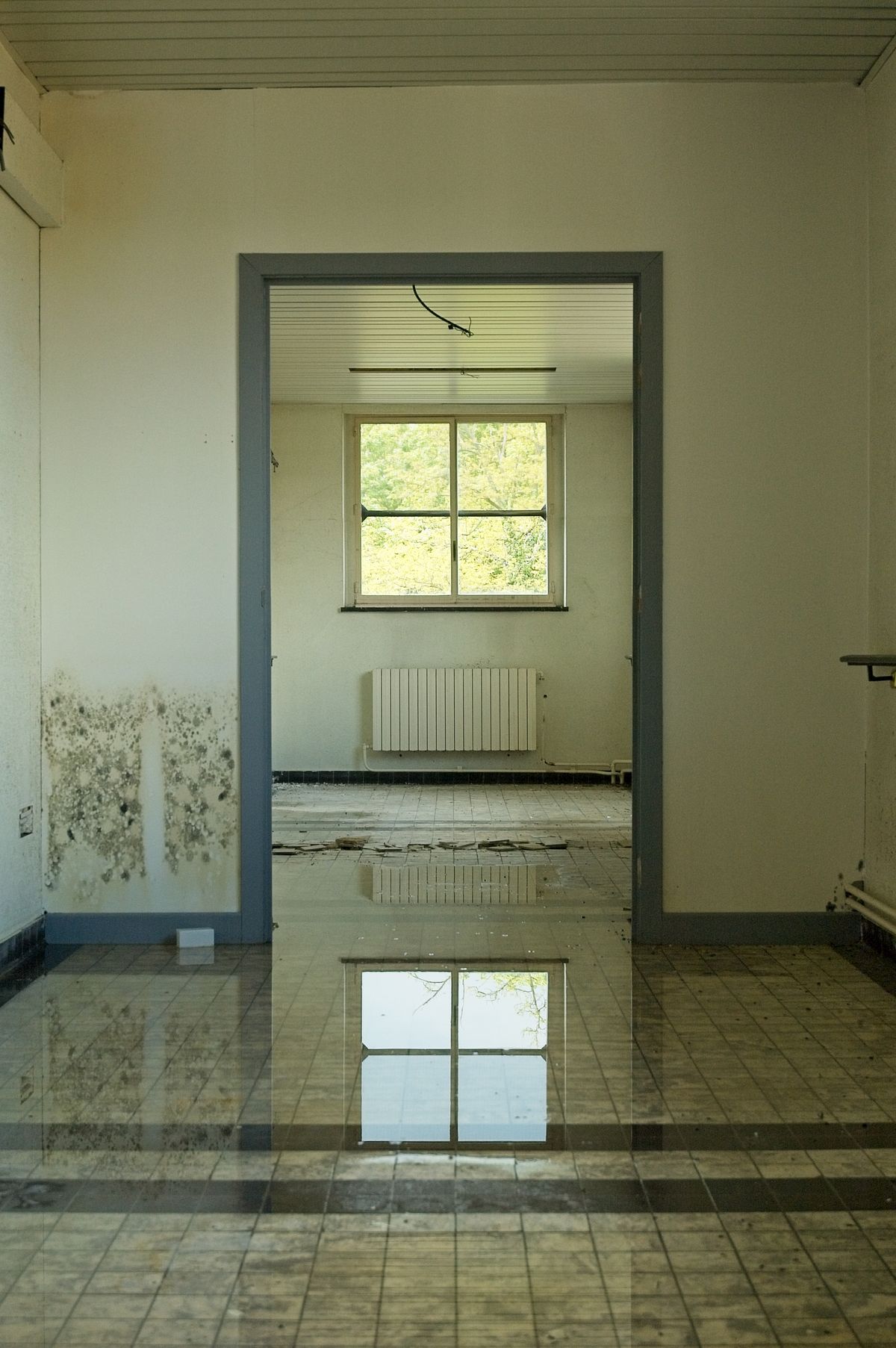
The useful order is simple: safety → stop more water when safe → document → extract → dry → repair. Trying to jump straight to cosmetic repairs can make a confusing situation harder to evaluate.
If water may be touching electrical equipment, sewage is involved, the structure appears unstable, or anyone may be in immediate danger, leave the affected area and contact the appropriate local emergency or utility service.
Check for danger first
Before moving belongings or beginning cleanup, look for electrical, structural and contaminated-water risks. Property can wait; personal safety cannot.
Stop the source when it is safe
If the problem is a controllable plumbing leak and you can reach the appropriate valve without entering a dangerous area, shutting off the supply can prevent additional damage. Do not take risks to reach a shutoff.
Document visible damage
Take wide photos of each affected room, closer photos of damaged materials and useful notes about where the water came from and when you noticed it. A clear record can help when discussing scope with a contractor or insurer.
Remove standing water and begin drying
Small, clean-water spills may be manageable with ordinary household cleanup. Larger losses, contaminated water, or water inside walls, floors and other assemblies may need professional extraction and drying.
Need to choose restoration help?
Compare the proposed drying plan, documentation, pricing and change-approval process—not just the headline price.