
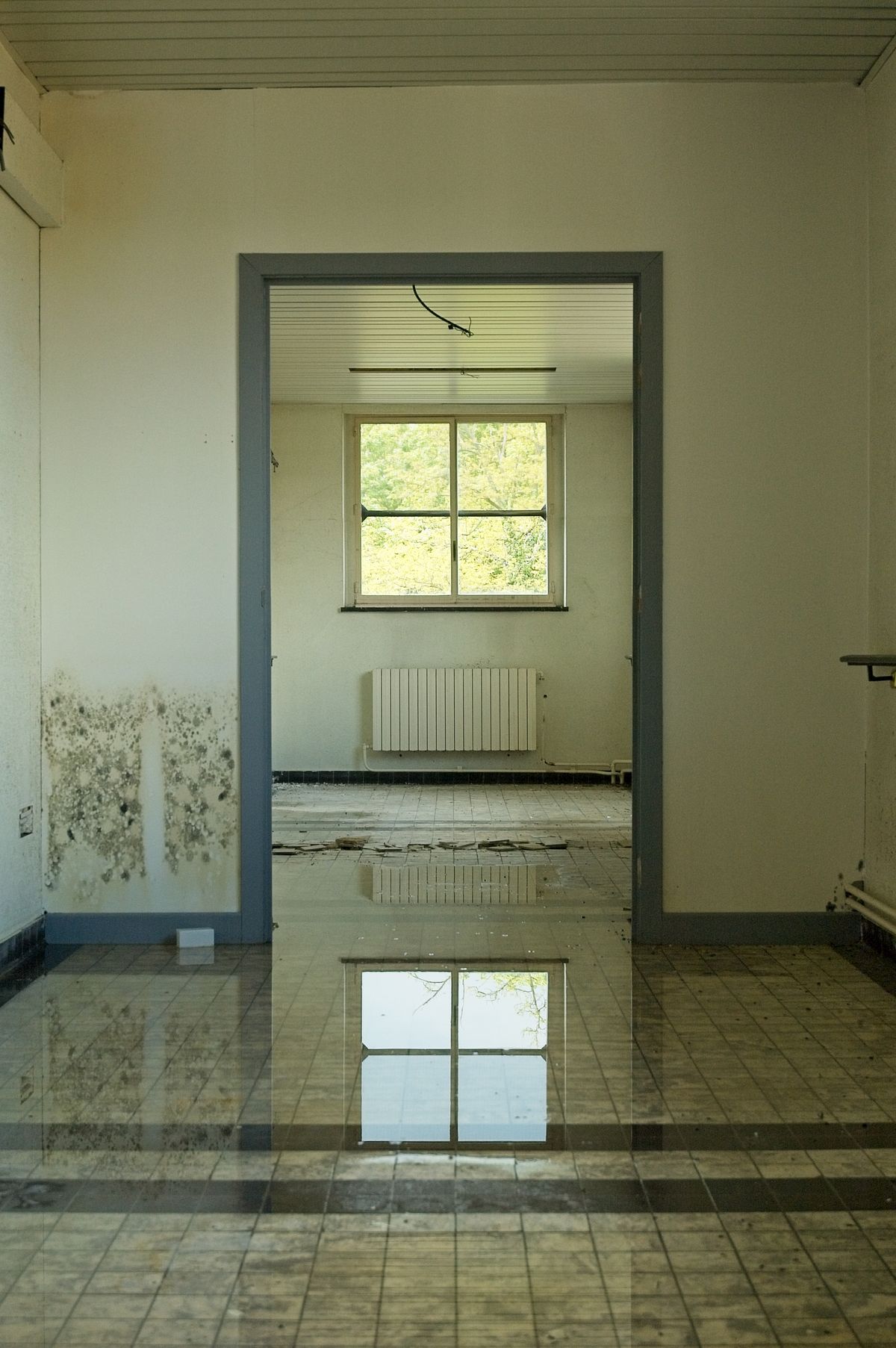
There is no single reliable national price for every water loss. Two homes with the same visible water level can have very different drying and repair needs.
Water source and contamination
Clean plumbing water, stormwater and sewage do not require the same cleanup approach. Higher-risk contamination can add labor, protection and material-removal requirements.
How far the water traveled
One wet room is different from water that reached multiple floors, wall cavities, insulation, cabinets or subflooring.
What can dry in place
Removing and replacing materials costs more than drying salvageable materials, but keeping unsalvageable materials can create later problems.
Drying time and equipment
Equipment quantity, monitoring visits and the time required to reach appropriate drying conditions can affect the final scope.
Hidden damage can change the scope. A first estimate may change if removal reveals wet insulation, damaged subflooring or other conditions that were not visible at the start.
- What work is included in the current scope?
- Which charges are estimates versus fixed rates?
- How are equipment days and monitoring visits billed?
- What could cause the scope to increase?
- How will I approve changes before additional work is performed?
Comparing companies or estimates?
Look beyond the bottom-line number and compare what each scope actually includes.