
Never use a blowtorch, open flame, improvised high-heat device or wet electrical appliance to thaw a pipe. Avoid gas appliances you suspect are unsafe and leave any area with potential gas or electrical hazards. Qualified advice is needed for inaccessible or damaged lines.
Pipes near exterior walls, crawl spaces, attics and unheated utility areas may freeze in some winter conditions. The National Weather Service highlights removing outdoor hoses, protecting vulnerable plumbing and knowing how to shut off water before a burst. Cold weather varies substantially across the U.S., including in places that rarely experience hard freezes, so local forecasts matter more than the calendar month alone.
What to check and why
Use observations and the actual local conditions, not an assumed service schedule. Keep a date-stamped record and use a qualified provider when inspection or repair requires specialized equipment.
Know which pipes and areas are exposed
Take note of accessible outdoor faucets, hose attachments, garage or attic piping, crawl spaces and cabinets against exterior walls. Look for existing drips and missing weather protection without opening hazardous enclosed spaces. If a line needs insulation, heat tracing or relocation, consult a licensed plumber and follow local codes and manufacturer specifications.
Protect systems without making new hazards
Remove and store outdoor hoses before freezing conditions where recommended. Review safe heating arrangements and the condition of accessible weather sealing. ENERGY STAR suggests yearly professional HVAC service and monthly filter checks, but the exact requirements depend on equipment. Avoid unapproved space heaters near flammables or wiring changes made under time pressure.
Locate shutoffs and plan for a thaw
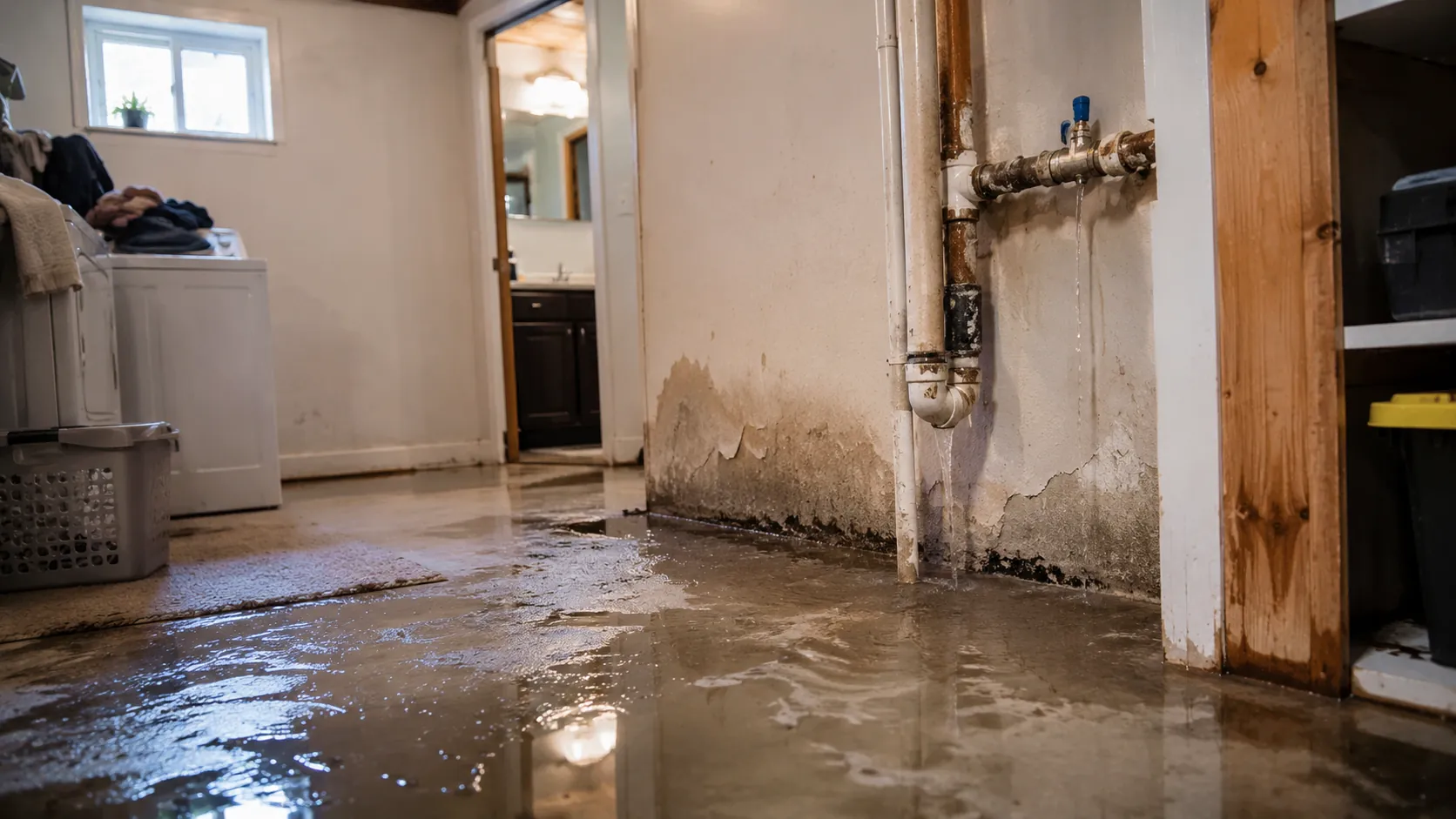
Know the location of your main water shutoff and how your utility or plumbing professional advises operating it. If a fixture unexpectedly has little flow in freezing weather, a frozen line is one possible cause. Do not use a torch or try to force an unknown valve. Watch for leaks when temperatures rise; a damaged pipe may release water as ice melts.
Keep emergency contacts and evidence ready
Record plumber, utility and maintenance contacts, and make sure your household knows what to do if water starts escaping. If a burst affects floors, walls or ceiling cavities, source repair and structural drying are separate work. Use a date-stamped incident log and request qualified help without treating visible surface dryness as proof the materials have recovered.
Keep track of the next check
Use a local-only recurring checklist with dates, private notes, CSV export and a printable summary. It does not send reminders or alerts.
Frequently asked homeowner questions
Do pipes only freeze in northern states?
No. Exposed or unprotected plumbing can freeze when local conditions allow, including during unusual cold spells in warmer regions.
Is dripping a faucet always necessary?
No universal rule applies. Follow local water utility or National Weather Service guidance for your specific conditions and home.
Can I use boiling water or a torch to thaw a pipe?
Never use an open flame. Excess heat and unsafe electrical methods can cause damage or injury. Seek appropriate qualified guidance.
What if the pipe starts leaking after the cold spell?
If safe, limit incoming water at an accessible shutoff and request plumbing repair; assess affected building materials separately.
Does homeowners insurance always cover frozen-pipe damage?
Coverage varies by policy terms and property conditions. Check heat-maintenance and other exclusions with the insurer.
Sources and limitations
Review the official guidance and adapt checks to real weather, manufacturer requirements and property conditions. This educational page is not an on-site inspection or safety certificate.
Editorial review: November 22, 2026. No forecast, inspection, insurance decision or guaranteed prevention outcome is provided.
More homeowner resources
Home maintenance planner · Frozen pipe emergency guide · Burst-pipe water damage