
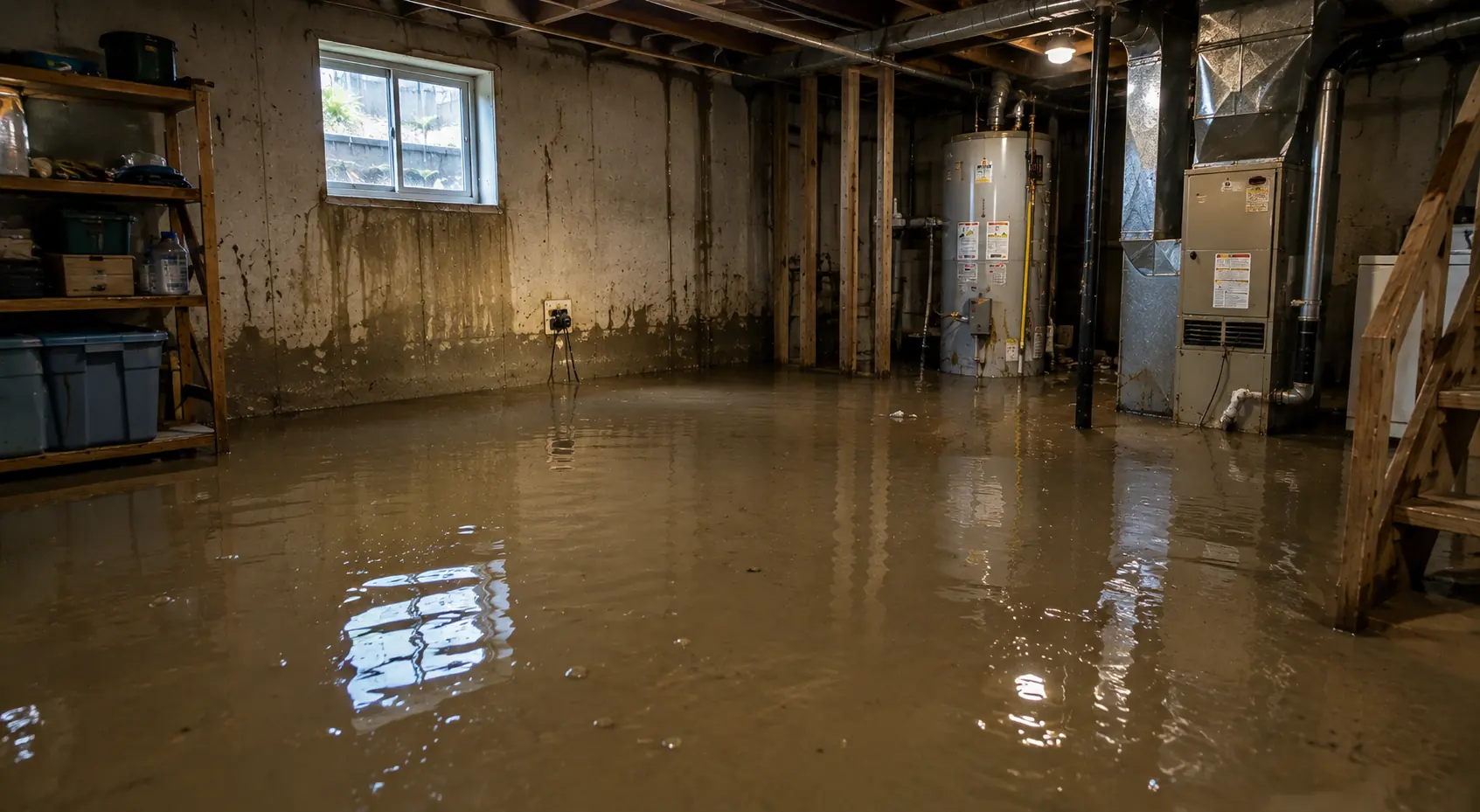
Never clean a roof or gutters from an unsafe ladder during a storm, work around overhead power lines, enter floodwater near electrical equipment or test a submerged pump. Follow official local warnings and evacuation orders before property-protection chores.
Flood damage can occur even outside a mapped high-risk flood area. FloodSmart recommends clearing gutters, directing runoff away from a building where feasible, using water alarms and maintaining sump systems where installed. The best time to inspect these features is before severe weather. What matters most varies with local terrain, drains, construction and flood risk—not a generic statewide storm ranking.
What to check and why
Use observations and the actual local conditions, not an assumed service schedule. Keep a date-stamped record and use a qualified provider when inspection or repair requires specialized equipment.
Follow where water travels from the roof
From a dry, safe location on the ground, observe whether gutters overflow, downspouts are blocked or runoff pools next to the foundation. Note roof areas where dripping or stains previously occurred. Arrange qualified cleaning for roof-height or difficult gutter work; do not climb during rain or strong wind. Drainage changes should not push water toward a neighbor or obstruct permitted outlets.
Review basement, sump and backup arrangements
If the home has a sump pump, review its manual, service schedule and alarm/backup arrangements from a safe area before the storm. A pump can lose power, have a blocked discharge or be overwhelmed. A working alarm may give earlier notice, but does not guarantee protection. If water has previously entered a floor drain, distinguish sewer-backup risk from groundwater and rain runoff; they require different specialists.
Protect records and plan safe movement
Keep the insurer’s contact number, essential identification, photos of important possessions and a household communication plan accessible. Know how to receive local National Weather Service or emergency management alerts and whether evacuation routes are affected. If flooding becomes dangerous, leave according to official guidance rather than staying to protect possessions or finish the checklist.
After the weather, document new changes safely
Once authorities say conditions are safe, look from accessible locations for roof stains, cellar seepage, wet stored items, standing water and new wall/floor marks. Record dates and photographs before cosmetic repainting or disposing of damaged belongings, unless safety requires immediate removal. Use our local-only insurance documentation forms to organize facts, not to submit an insurance claim automatically.
Keep track of the next check
Use a local-only recurring checklist with dates, private notes, CSV export and a printable summary. It does not send reminders or alerts.
Frequently asked homeowner questions
Does gutter cleaning guarantee the basement will stay dry?
No. Flooding may result from groundwater, sewer backup, severe runoff and other causes. Clean drainage is one protective measure, not a warranty.
Should I wait until a storm warning to service my sump pump?
No. Inspect and maintain according to the manufacturer and qualified provider before seasonal storms; never use electricity in standing water.
Is flood insurance included automatically in homeowners insurance?
Not typically for direct flood damage. Review your policy and contact your insurer or FloodSmart for coverage questions.
Can I safely block a basement drain to stop backup?
Do not improvise a plug or modify a plumbing system under pressure; ask a qualified plumber about approved backflow protection.
What if I live outside hurricane regions?
Use the same source-and-drainage questions where heavy rain is possible, but follow your area’s actual flood alerts and local conditions rather than a national hurricane calendar.
Sources and limitations
Review the official guidance and adapt checks to real weather, manufacturer requirements and property conditions. This educational page is not an on-site inspection or safety certificate.
- FloodSmart Minimize Flood Damage
- FloodSmart Flood Preparation Checklist
- NWS Hurricane Preparedness Plan
Editorial review: November 22, 2026. No forecast, inspection, insurance decision or guaranteed prevention outcome is provided.
More homeowner resources
Home maintenance planner · Basement drainage guide · Flood cleanup safety