
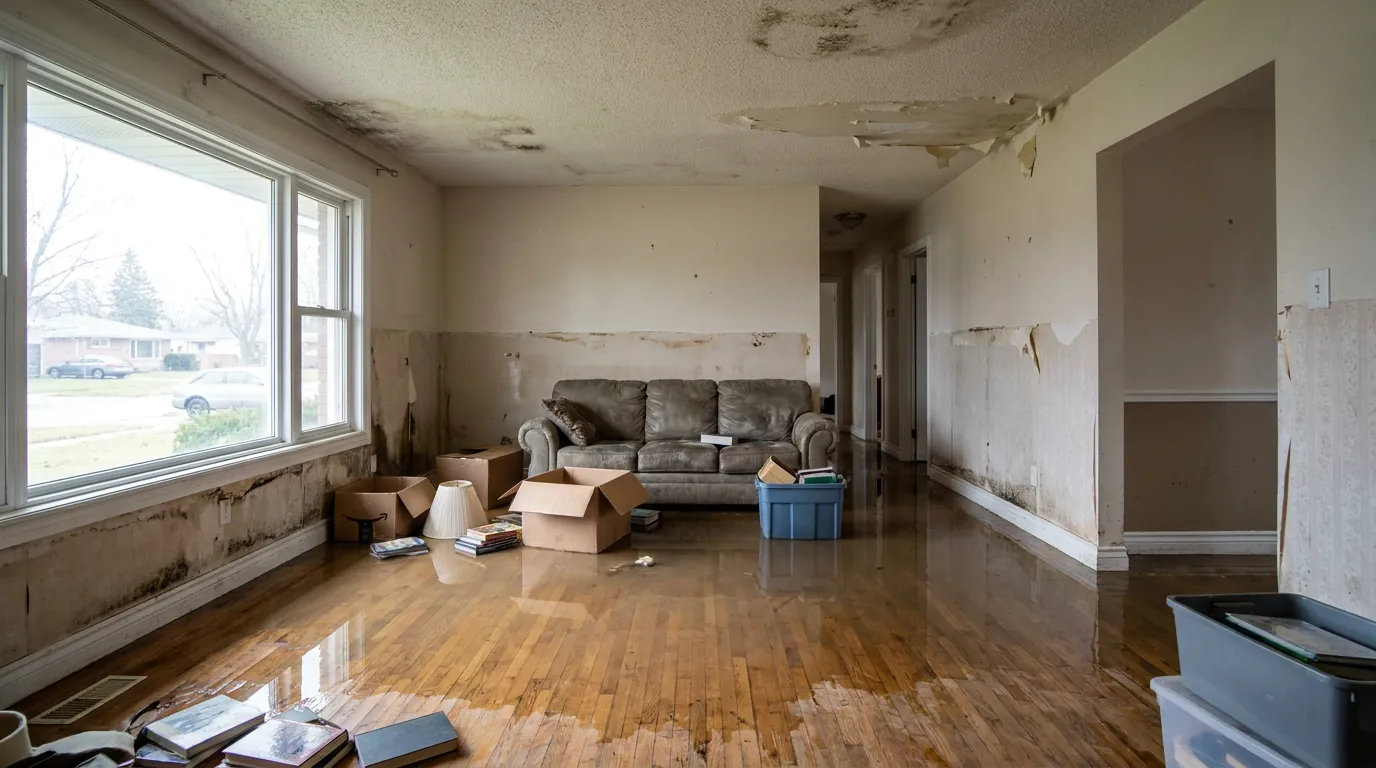
Do not investigate suspected leaks from inside standing water, around exposed wiring, gas equipment or unstable ceiling areas. An inspection should be visual and safe; call a qualified provider when a condition requires tools or opening building materials.
The most valuable monthly water check is usually simple: notice which areas have changed. EPA WaterSense encourages homeowners to check fixtures and appliances for drips, running toilets and water waste all year. A fresh stain, moisture near the back of a cabinet, a repeating musty smell or an unexpected meter pattern can signal a problem worth examining—without establishing its exact cause.
What to check and why
Use observations and the actual local conditions, not an assumed service schedule. Keep a date-stamped record and use a qualified provider when inspection or repair requires specialized equipment.
Start with fixtures and appliance connections
Walk through bathrooms, laundry and kitchen areas where you can inspect without moving energized equipment or disconnecting hoses. Note continuous drips, corrosion at exposed connections, water under a cabinet, or condensation that persists when the fixture is not in use. Photograph the location from a safe position and record the date. Check a water heater’s surrounding floor without touching its gas or electrical controls. A repair decision depends on source investigation, not only on a damp stain.
Watch for running toilets and unusual water use
EPA WaterSense recommends looking for constantly running toilet systems. Where the manufacturer permits, a dye check can help identify water moving from the toilet tank to the bowl without flushing. Do not add other household chemicals or rely on a test to diagnose every valve issue. If multiple fixtures have weak pressure or your bill changes unexpectedly, compare with actual usage and contact the utility or a plumber before assuming a concealed pipe failure.
Look at finishes and hidden-moisture clues
Baseboards, flooring seams, wall paint, ceilings and cabinets may reveal a change after a leak. A dry surface does not automatically prove an enclosed wall or carpet pad is dry. EPA emphasizes fixing water problems and keeping indoor humidity under control. If an odor keeps returning in one room, record where and when it occurs and review the hidden-moisture guide before authorizing a generic mold test.
Keep a small record rather than a long report
Write the date checked, areas observed, new or unchanged symptoms, any photos taken, and whether a professional was contacted. Our local-only planner stores check dates and private notes on the same browser and can export them as CSV. It does not automatically notify anyone, certify the building or decide insurance coverage. Revisit each month only while it is safe and practical.
Keep track of the next check
Use a local-only recurring checklist with dates, private notes, CSV export and a printable summary. It does not send reminders or alerts.
Frequently asked homeowner questions
Is a monthly leak check required by law?
No universal U.S. rule requires every homeowner to inspect monthly. This is a practical reminder derived from WaterSense maintenance guidance; manufacturer and local requirements may differ.
Can a dye test prove all toilet leaks?
No. It helps reveal a possible tank-to-bowl leak but is not a complete plumbing inspection. Follow the fixture instructions and qualified advice.
Does my higher water bill definitely mean a hidden leak?
No. Irrigation, guests, appliances, billing periods and other factors can change consumption. Confirm actual usage patterns and ask the utility or plumber when uncertain.
What if a cabinet smells damp but has no stain?
Document the pattern and investigate possible moisture sources safely; concealed wet materials may require qualified assessment.
Does this checklist replace a professional inspection?
No. It helps organize safe observations and escalation decisions; it is not a pipe pressure test or moisture certification.
Sources and limitations
Review the official guidance and adapt checks to real weather, manufacturer requirements and property conditions. This educational page is not an on-site inspection or safety certificate.
Editorial review: November 22, 2026. No forecast, inspection, insurance decision or guaranteed prevention outcome is provided.
More homeowner resources
Home maintenance planner · Hidden water leak signs · Water heater leaking