
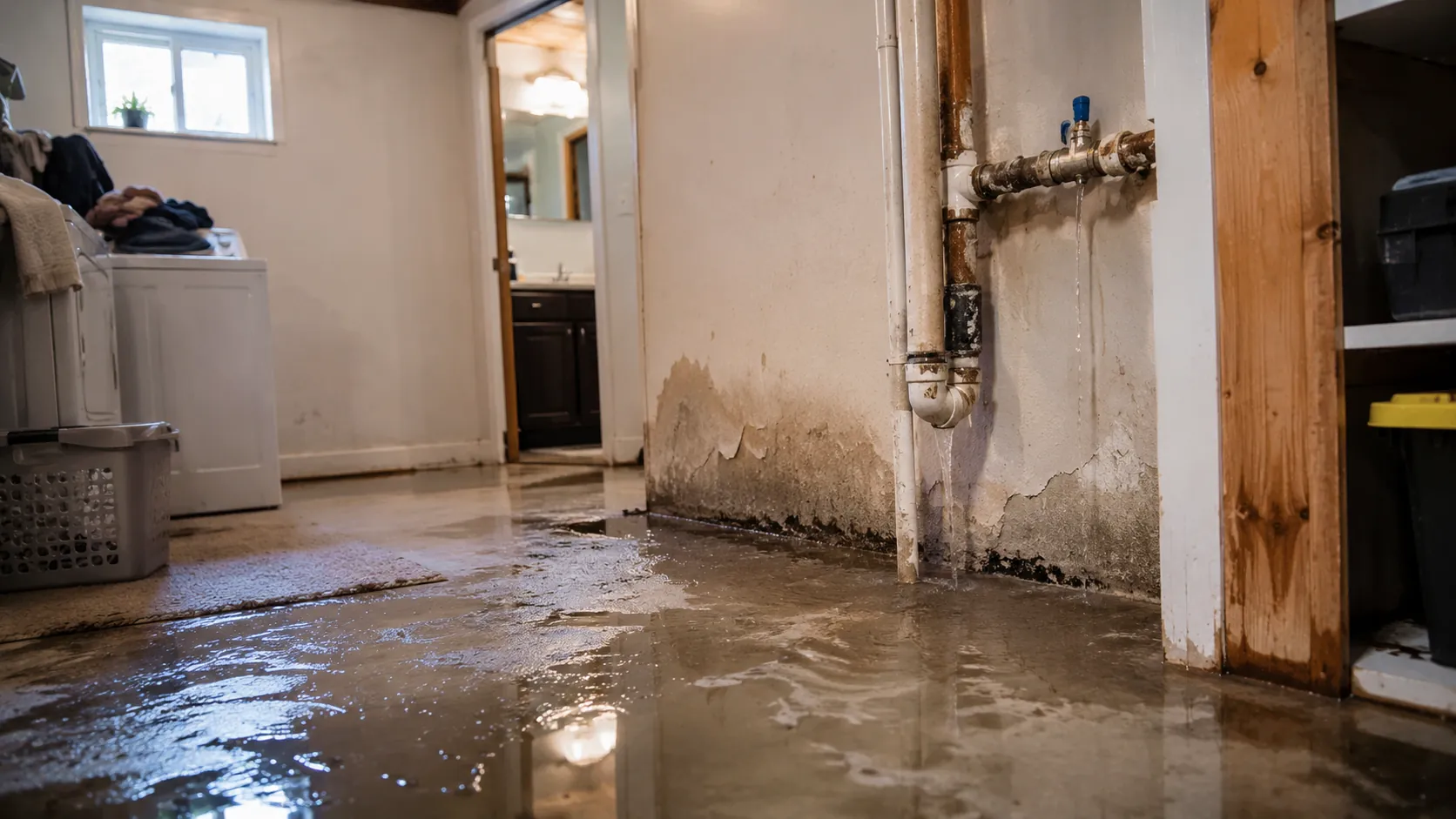
Do not mix drain-cleaning chemicals, add a new chemical to an unknown drain cleaner or run powered equipment in standing water. Chemical splashes, wastewater and energized tools can cause injury; seek qualified service for uncertainty.
A slow kitchen sink, a backed-up bathtub and wastewater rising from several fixtures are not one problem. Some minor clogs may be addressed with manufacturer-approved hand tools, but repeated failures, shared drainage or sewage exposure call for different equipment and qualified assessment. The priority is diagnosing where the blockage is without spreading contamination.
Tell a plumber which fixtures are affected and whether wastewater is coming back up. Do not add another cleaner to a drain that may already contain chemicals.
Which drainage pattern do you see?
Note which fixtures are affected before deciding whether a simple clearing step is safe.
- One slow fixture: Observe whether only one sink, shower or tub is affected. A local trap or fixture issue is possible, but avoid assuming that the visible drain opening identifies the blockage.
- Two or more fixtures: When one fixture causes another to gurgle or rise, a shared downstream drain may be involved. Stop adding water and request qualified diagnosis.
- Toilet and shower together: Sewage risk may be greater. Do not flush repeatedly to test; use the separate toilet overflow and sewer-backup guidance.
- Repeated clog after clearing: If the same blockage returns, ask whether the issue is deeper pipe condition, venting, buildup or an obstruction that requires different inspection.
- Chemical products already used: Tell the plumber exactly what went into the drain. Do not add vinegar, bleach, another cleaner or hot water indiscriminately.
- Snake and powered tools: A hand snake can damage fragile or poorly installed piping if used incorrectly. Powered drain equipment requires training and electrical precautions; do not force it through resistance.
What should a written drain-clearing quote include?
Ask which fixture or line is being serviced, whether a camera or cleanout access is needed, how water/sewage cleanup will be handled, and what the provider will do if pipe damage or a larger obstruction is found. A drain-clearing visit does not necessarily include replacing water-damaged cabinets, flooring or wall materials.
Questions about blocked household drains
Can baking soda and vinegar clear every drain?
No. That combination is not a reliable solution to structural obstruction, wipes or a shared sewer problem. Never mix it with prior chemical cleaners.
Should I pour another cleaner into a drain that still won't open?
No. Unknown combinations can create hazardous reactions and complicate professional clearing.
When does a plunger stop being appropriate?
If several fixtures back up, wastewater escapes, a blockage recurs or pipe integrity is doubtful, obtain professional assessment.
Does a camera always have to be used?
Not always. Ask what findings would make inspection useful and whether it changes the quoted scope.
Can drain clearing eliminate mold under cabinets?
No. Plumbing work stops the obstruction; wet porous materials may require separate assessment and cleanup.
Drain clearing and safety references
Check the cited sources and applicable local safety requirements before acting.
- EPA pesticide and household chemical safety
- CDC cleaning and disinfection
- EPA flooded-home precautions
Published November 22, 2026; text updated November 23, 2026.
If more than one drain is affected
For an overflowing toilet, follow the separate containment and cleanup guidance.