
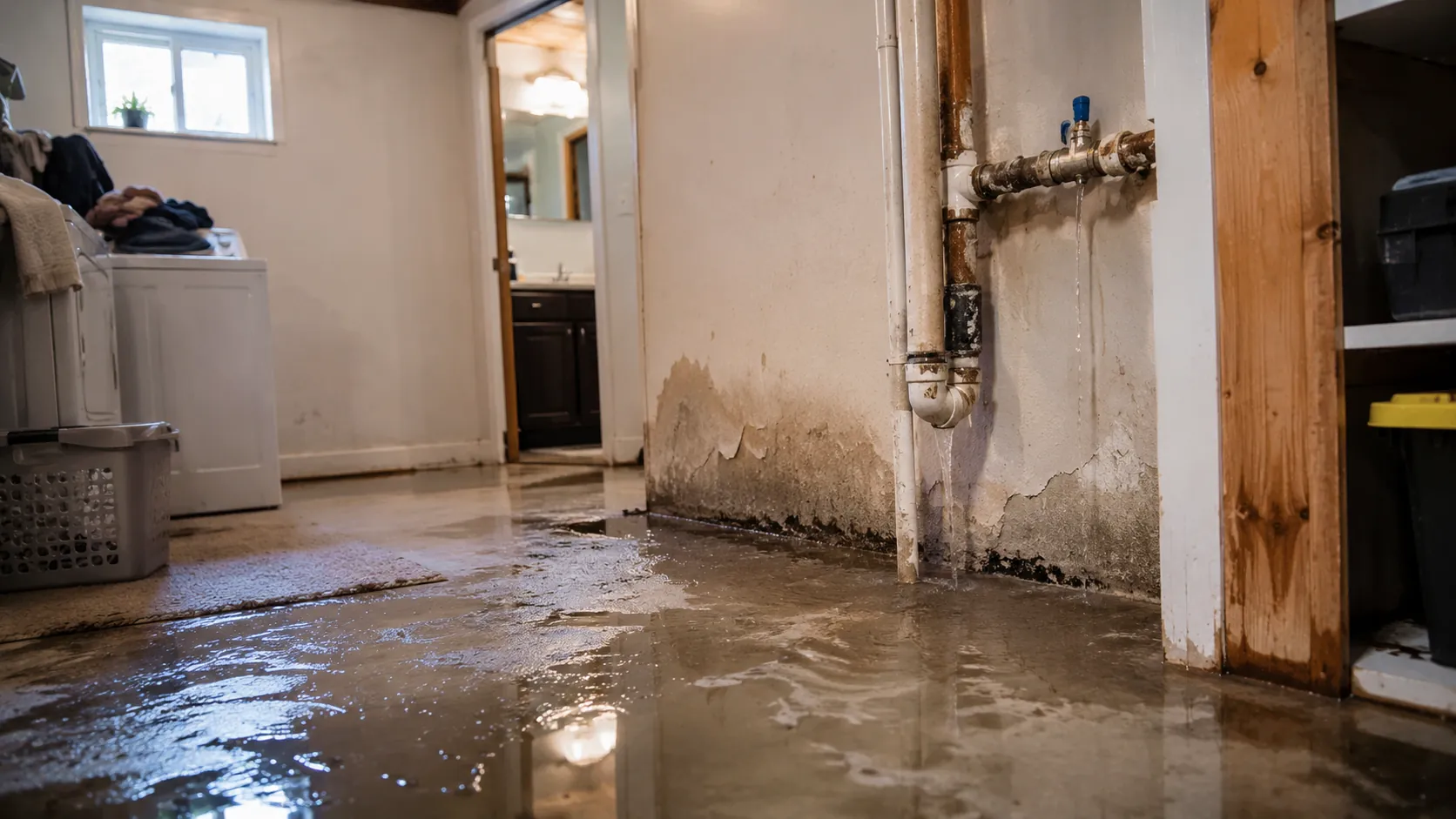
Disconnect power or use an appropriate professional before any inspection of electrical or moving components. Never reach into a disposal, operate a switch from a wet area, bypass guards or use strong chemicals with unknown contents.
A garbage disposal that suddenly stops is not always a failed motor. It may have lost power, tripped an overload protector, jammed, developed a leak or become part of a blocked drain. Each symptom suggests a different conversation with a qualified plumber or appliance service provider. Avoid putting hands or tools inside the grinding chamber.
For a service call, note whether the unit is silent, humming, leaking or draining slowly. Avoid reaching inside to investigate, even if the wall switch is off.
Match the symptom to a safe next step
Match the symptoms to safe checks and know when to stop troubleshooting.
- Silent and not starting: Check whether unrelated nearby outlets or lights work from a dry, safe location. Manufacturer guidance for some units discusses overload protection, but follow the exact model manual and stop if electrical components or water are involved.
- Hums without turning: Humming may suggest a jam, but it does not authorize hand entry into the grinding chamber or improvised disassembly. Shut off power and seek model-specific service advice.
- Sink fills or drains slowly: A blocked disposal outlet, trap or downstream pipe may be responsible. If multiple fixtures back up, the issue may be beyond the sink; review wider drain warning signs.
- Water leaks below the sink: Look for visible drips from drain fittings, hoses or the unit body without touching wet electrical wiring. Contain additional water only when safe and document affected cabinetry.
- Repeated overload or tripping: Repeated resets can hide a jam, failing motor, wiring problem or unsafe installation. Stop and request qualified diagnosis rather than cycling power endlessly.
- Replacement decision: Ask about motor condition, seals, connection compatibility, electrical safety, labor and warranty. A disposal with a damaged housing can be different from a serviceable external fitting.
Use your model number before following any troubleshooting video
The manufacturer's service process and overload-reset locations vary by make and model. InSinkErator publishes model-specific overload and reset guidance, but that does not make it appropriate to use in wet or unsafe conditions. If a drain or cabinet has flooded, separate the plumbing/appliance fix from water-damage cleanup.
Questions about a stopped garbage disposal
Does a humming disposal always need replacement?
No. Humming may reflect a mechanical jam or electrical problem; only a safe, model-specific diagnosis can determine the repair.
Can I put my hand inside after switching it off?
Do not reach inside. Stored motion, sharp components and accidental energizing create hazards; seek qualified instructions.
Should I keep pressing reset?
No. Repeated trips may indicate a fault that needs assessment. Do not bypass safety controls.
Does a leaking disposal mean the sink drain is broken?
Not always. Water may originate at supply connections, dishwasher hose, drain outlet or the unit body; document the actual drip.
Is a blocked sink the same as a sewer backup?
No. A single sink stoppage and backing up of multiple fixtures can involve different piping and require different investigation.
Disposal and plumbing references
Check the cited sources and applicable local safety requirements before acting.
- InSinkErator manufacturer reset guidance
- InSinkErator installation troubleshooting
- EPA leak repair and maintenance
Published November 22, 2026; text updated November 23, 2026.
If the sink is still backing up
If water also drains slowly, review the clogged-drain guide.