
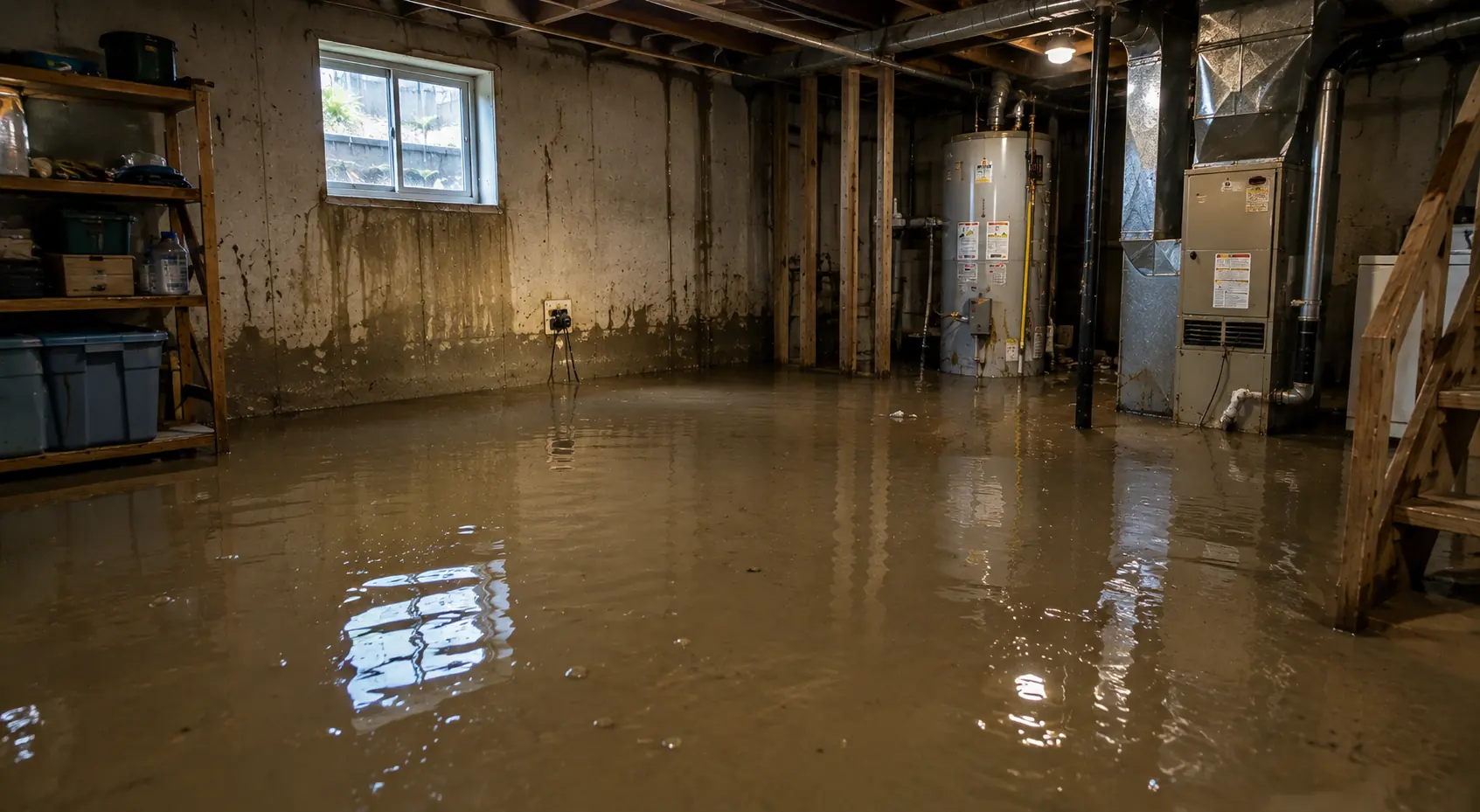
Sewage, outdoor floodwater, energized outlets, damaged appliances and unstable floors change the cleanup approach. Obtain qualified help rather than running wet electrical equipment or ordinary fans through suspected contaminated water.
Wet carpet, padding, subfloor and wood flooring are separate materials. Removing standing water or mopping a surface does not prove that hidden layers are dry. The relevant questions are the water source, how much each layer absorbed, whether it can be safely cleaned, and whether a qualified provider can verify the assembly's condition.
EPA's water-damage materials guidance addresses carpet/backing, flooring and wood differently. Its detailed examples are primarily written for schools and commercial facilities; they are a useful framework, not an all-purpose residential restoration rule.
Start with the water source before choosing a cleaning method
- Limited recent clean-water spill: A quick response may preserve more options, but the backing and subfloor still need checking. “It looks clean” does not establish the water category.
- Outdoor floodwater or rising groundwater: Assume contamination and other hazards may exist. More cautious assessment and material removal can be required, even when the surface looks normal after pumping.
- Drain/sewer backup or unknown water: Avoid DIY carpet shampooing or spreading water with household fans. Ask a qualified cleanup specialist how porous materials and adjacent rooms should be treated.
See the flood cleanup safety sequence for contaminated-water considerations or basement-specific questions if water entered below ground level.
Flooring decision matrix: the layer beneath matters
The observations below guide questions to ask, not a universal keep/discard verdict.
- Carpet face and backing: Did water pass through to the backing? Is the carpet heavily soiled, smelly or moldy, and can the entire carpet and backing be cleaned and dried safely? EPA provides a limited clean-water drying framework but does not promise recovery after a sewer or outdoor flood.
- Carpet padding: Is the pad wet or contaminated? Padding can retain water even while the carpet surface feels dry. Ask whether it must be removed and how the subfloor below will be assessed.
- Hardwood or engineered wood: Are boards cupping, swelling, buckling or separating? Was water trapped below the finish? Improper aggressive heat can cause additional damage; ask about controlled professional drying and what measurements justify replacement.
- Laminate or composite flooring: Are seams, edges or fiberboard cores swollen or delaminating? The visible decorative top layer may conceal irreversible moisture damage to the core.
- Tile, vinyl or other resilient finishes: Can water be trapped beneath joints, adhesive or underlayment? An intact top surface does not guarantee the substrate is dry; confirm whether an appropriate assessment is required.
- Concrete and subfloor systems: Are adjacent framing and baseboards damp? Ask which material measurements and monitoring records support reinstallation, especially before applying an impermeable new floor finish.
EPA's material response table distinguishes carpet, padding, flooring and wallboard after clean-water damage. Use it to frame a qualified assessment, not to certify your exact floor safe for reuse.
Ask how the underside will be inspected and dried
A floor can conceal moisture under a carpet pad, floating floor, baseboard or vapor barrier. Ask the provider to explain what materials were inspected, what reference moisture measurements were used, and what will justify removing equipment or closing the floor. A single room humidity reading cannot prove every subfloor or joint is dry.
The water extraction versus structural drying guide explains why removing surface water is only one stage. EPA also warns against installing new floor finishes over still-wet underlying materials. Read the EPA's post-flood flooring and drying guidance.
Compare drying proposals by evidence, not just equipment days
Before authorizing carpet disposal, flooring removal or extended drying equipment, ask what the contractor found and which layers were affected. Request a written moisture map or measured observations, a cleanup category rationale where appropriate, and a clear description of what the quoted work includes.
Ask whether the proposal covers extraction, pad removal, structural drying, monitoring, replacing flooring and reinstating trim as separate stages. The contractor comparison guide and cost-scope guide help compare what is actually included. The EPA's 24–48-hour advice aims to reduce mold risk; it is not a guarantee that a floor can be fully restored in two days.
Wet flooring: homeowner questions and answers
Can I save my carpet after a clean supply-line leak?
Sometimes, but not based on the surface alone. Source verification, duration, backing, pad, subfloor and the ability to clean and completely dry the materials matter. Ask a qualified provider what parts can be retained and how drying will be proven.
Why does wood flooring buckle after water damage?
Moisture absorption and uneven movement can deform wood or composite products. Buckling is a warning sign that the assembly needs assessment; do not try to flatten it with high heat or assume the underside is dry.
Is it safe to use a household fan on sewage-soaked carpet?
No. Contaminated water changes exposure and cleanup requirements. Avoid spreading contaminated material and obtain a qualified cleanup assessment. EPA advises professional help for sewage-affected water and mold situations.
What if the tile looks fine but the room still smells damp?
Persistent odor may justify checking underlayment, baseboards or wall/floor intersections. It does not identify mold species or prove a particular repair. Moisture and source investigation should guide the next step.
Should I replace all flooring in an adjacent room?
Not automatically. The extent of moisture, assembly type, contamination and accessibility determine what requires inspection or removal. Ask the provider for an affected-area map and evidence for the proposed removal boundary.
EPA: Drying and Material Response · EPA: Material Table · EPA: Flood Cleanup and Flooring
Reviewed November 22, 2026. General U.S. information; not a verified contamination classification, moisture inspection, repair estimate or guarantee of salvageability.
Considering a household dehumidifier for wet floors? Read what it can and cannot dry before assuming your subfloor or backing is dry.
Related homeowner questions: water damage to rental belongings. These pages cover distinct evidence, safety or provider-scope decisions.
How much might extraction and drying cost?
Use our transparent state-adjusted planning calculator, then request an itemized local estimate for your actual materials.